Padel balls: how they differ from tennis balls, and when to replace them
They look the same, but they are not. Why a fresh tube makes a real difference to your game.
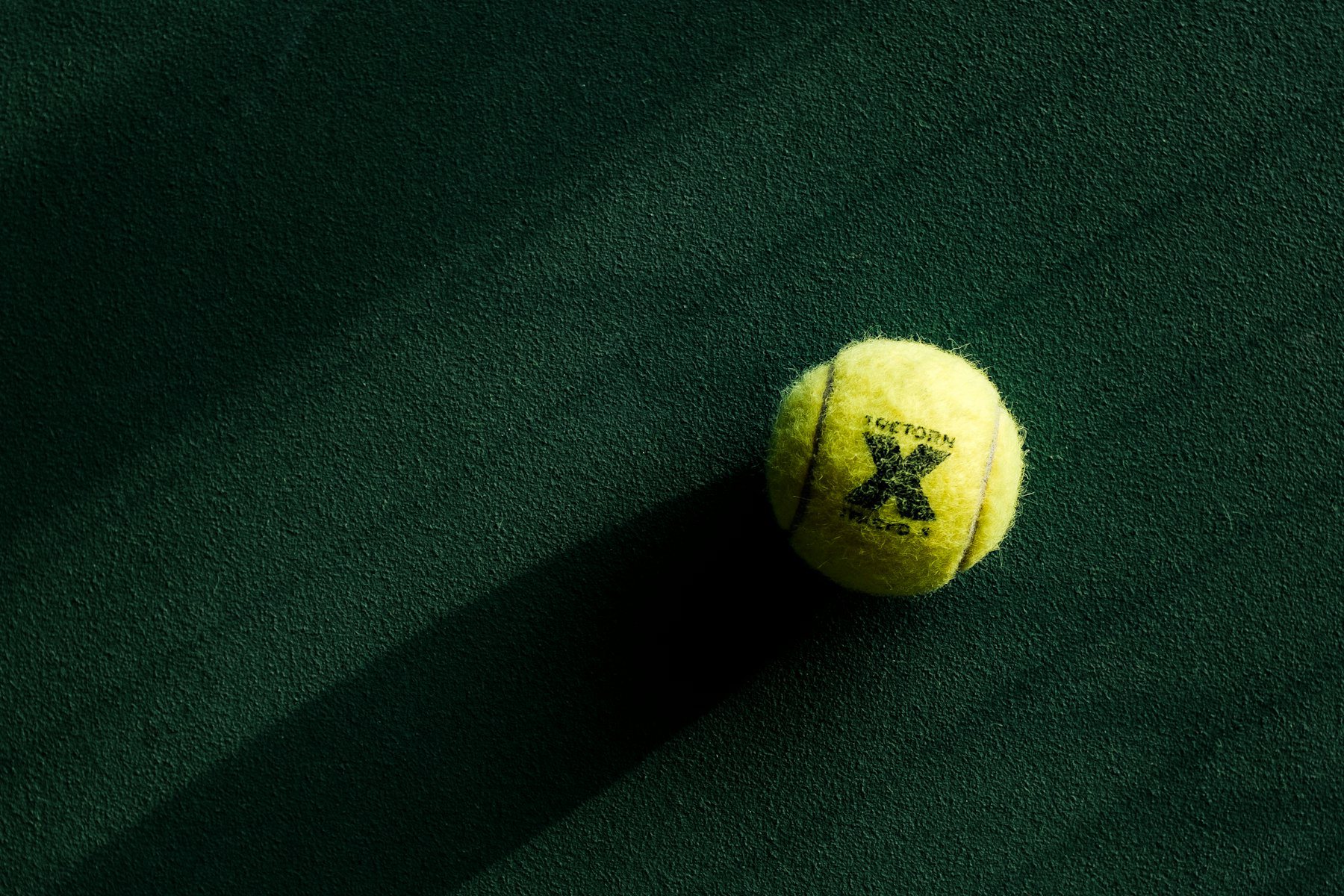
A padel ball looks exactly like a tennis ball. Bounce one next to the other, though, and you will notice the difference.
Less pressure, less bounce
Padel balls are slightly smaller and have lower pressure inside than tennis balls. They bounce a little lower and travel a little slower, which suits a small court closed in by glass. A tennis ball on a padel court flies off the walls and makes rallies much harder.
Balls lose pressure
Every padel ball starts losing pressure the moment you open the tube. After a few sessions it bounces noticeably lower, especially off the back glass, and the game changes: it becomes slower, and shots from the back wall die before you can reach them.
When to open a new tube
- For a match that matters, start with new balls.
- For a relaxed game, balls that have been played two or three times are fine.
- Squeeze test: if a ball feels soft between your fingers compared to a new one, it is time.
- Bounce test: drop a ball from shoulder height next to a new one. If it comes back clearly lower, retire it.
Keep them fresher for longer
- Keep opened balls in their tube with the lid on.
- Do not leave them in a hot car or in the cold overnight.
- Pressurisers, small tubes you pump up, can extend their life a little.
Buying at the club
Forgot to bring balls? Many clubs sell them at the desk, and some let you add a tube to your booking in Padli, so it is waiting for you when you arrive.
Number the balls
A small trick from regular players: write a number on each ball with a marker. Four players, three balls, and nobody ends up with somebody else's.